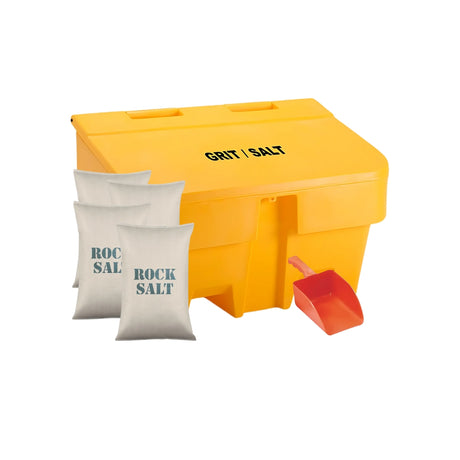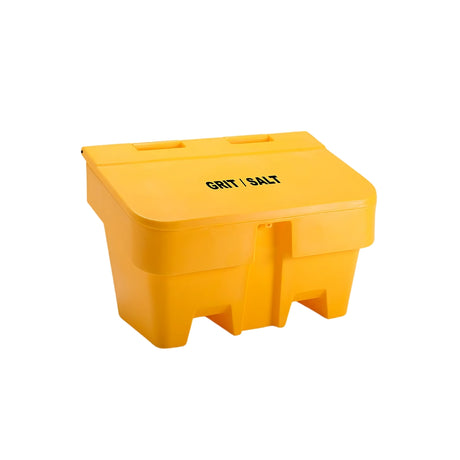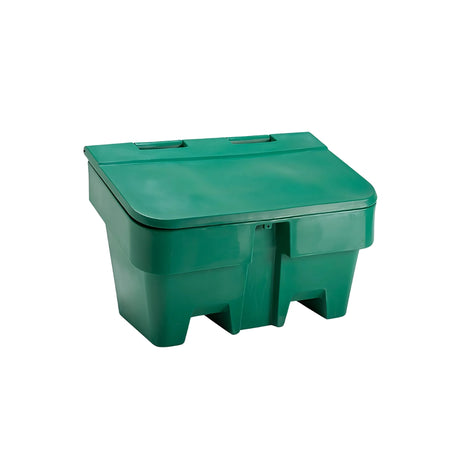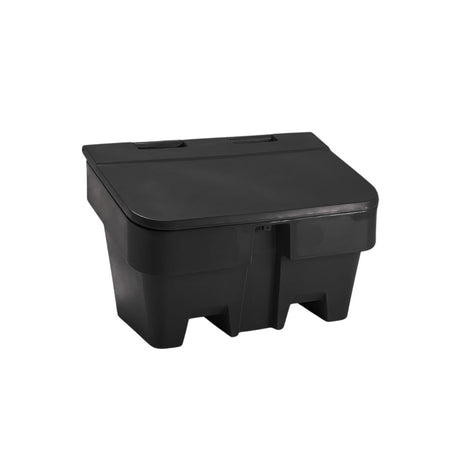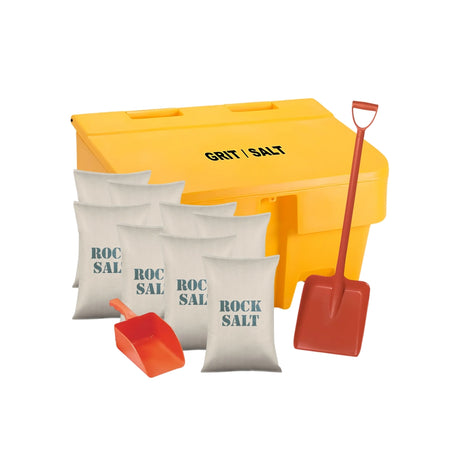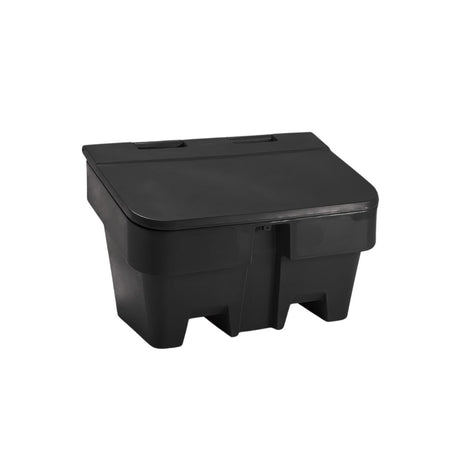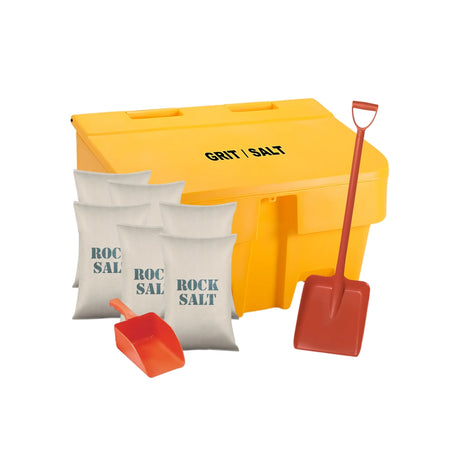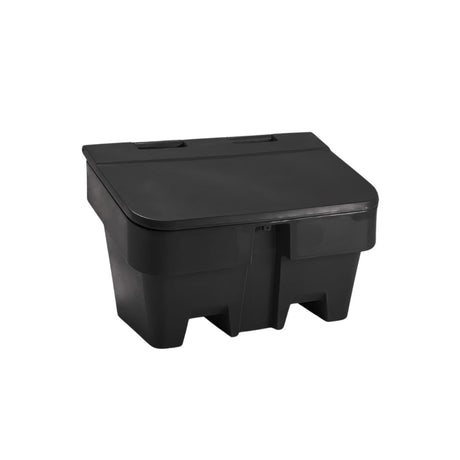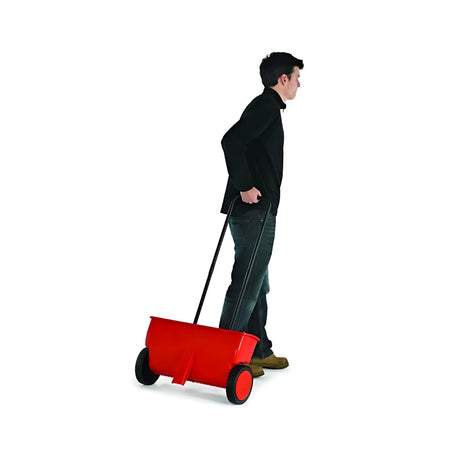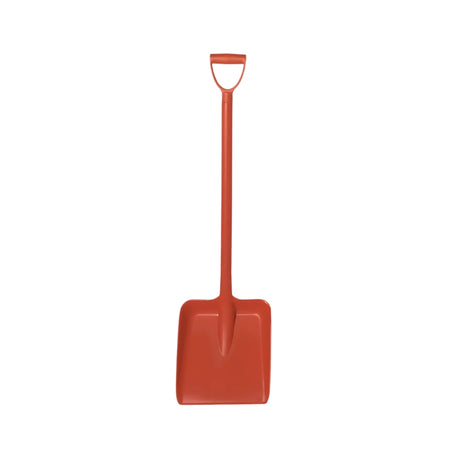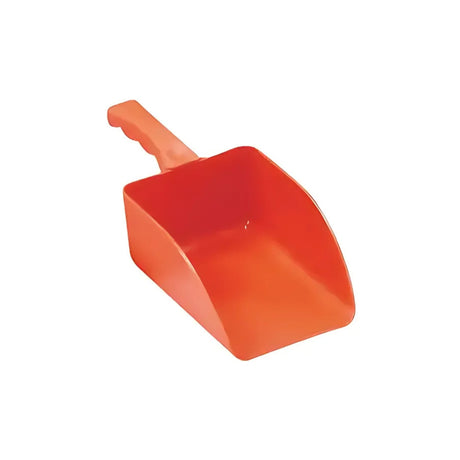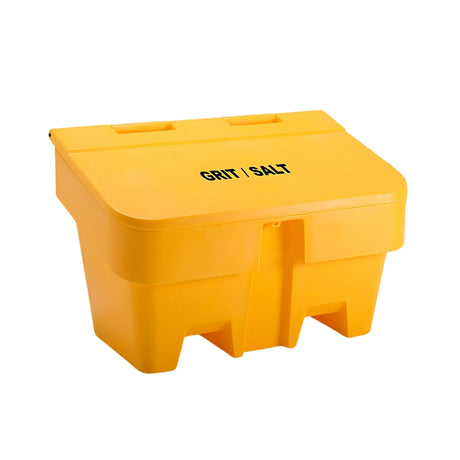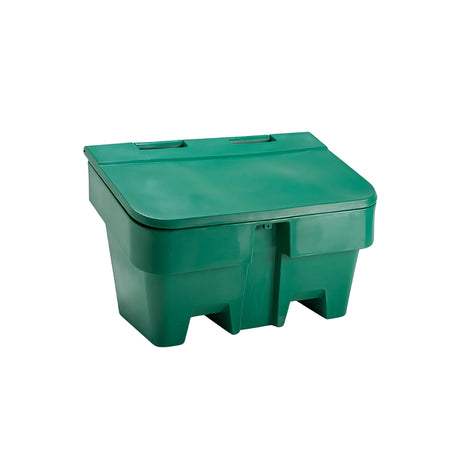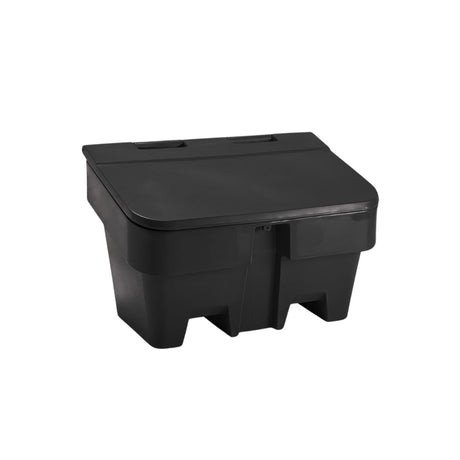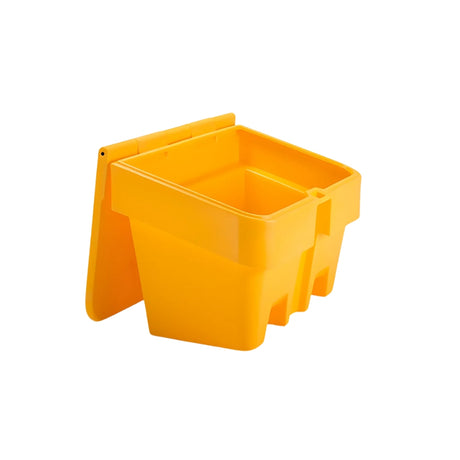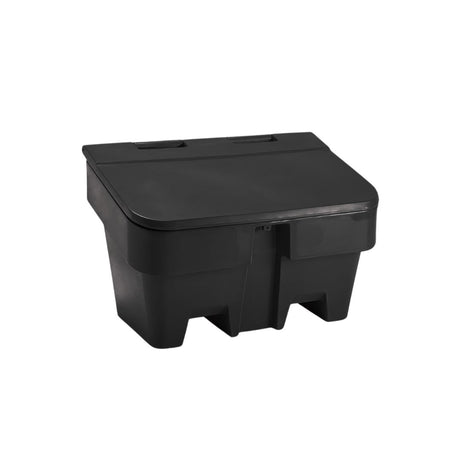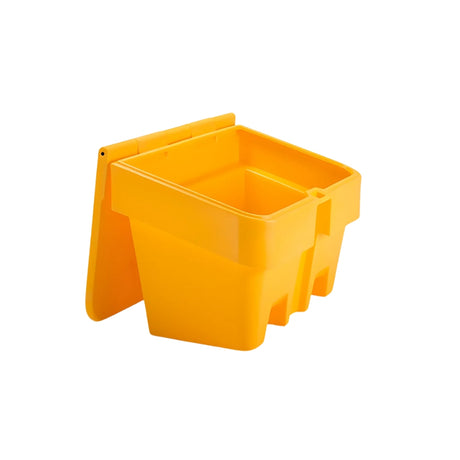

There’s no law that forces every site to install grit bins. But Health & Safety rules do require you to manage winter slip risks. A salt bin is one of the simplest ways to do that.
Do Businesses Need Grit Bins in Winter?
If people walk or drive on your site in freezing weather, you need a way to treat ice. Keeping a salt bin near high-use areas makes gritting fast and consistent.
Who Is Responsible for Gritting Private Sites?
Councils manage council grit bins on public roads. Businesses, schools and site owners are responsible for gritting their own land.
What Do Health & Safety Rules Say About Icy Walkways?
Employers must prevent slips in winter. That includes planning routes, providing gritting equipment and using it when temperatures drop.
Are Grit Bins Recommended for Workplace Safety?
Yes — they make winter routines easier. Grit bins support quick action, help with snow and ice control and show you’ve taken reasonable steps to manage risk.
Where Should Grit Bins Be Placed?
- Entrances and main walkways
- Steps, ramps and loading areas
- Car parks and drop-off points
Good placement reduces slip risks and cuts response time.
What Type of Grit Should You Use?
Most sites use rock salt. Keeping it dry in a salt bin improves spreading and reduces waste. Brown salt suits roads and car parks; white salt works well on paths.
Do You Need a Lockable Grit Bin?
A lockable grit bin helps prevent tampering, keeps salt clean and stops lids blowing open. It’s useful for exposed, public or high-traffic areas.
How Do Grit Bins Help Prevent Slips?
By storing salt exactly where it’s needed, grit bins allow quick action before ice forms. Combined with a simple routine, they support safe routes and effective snow and ice control.